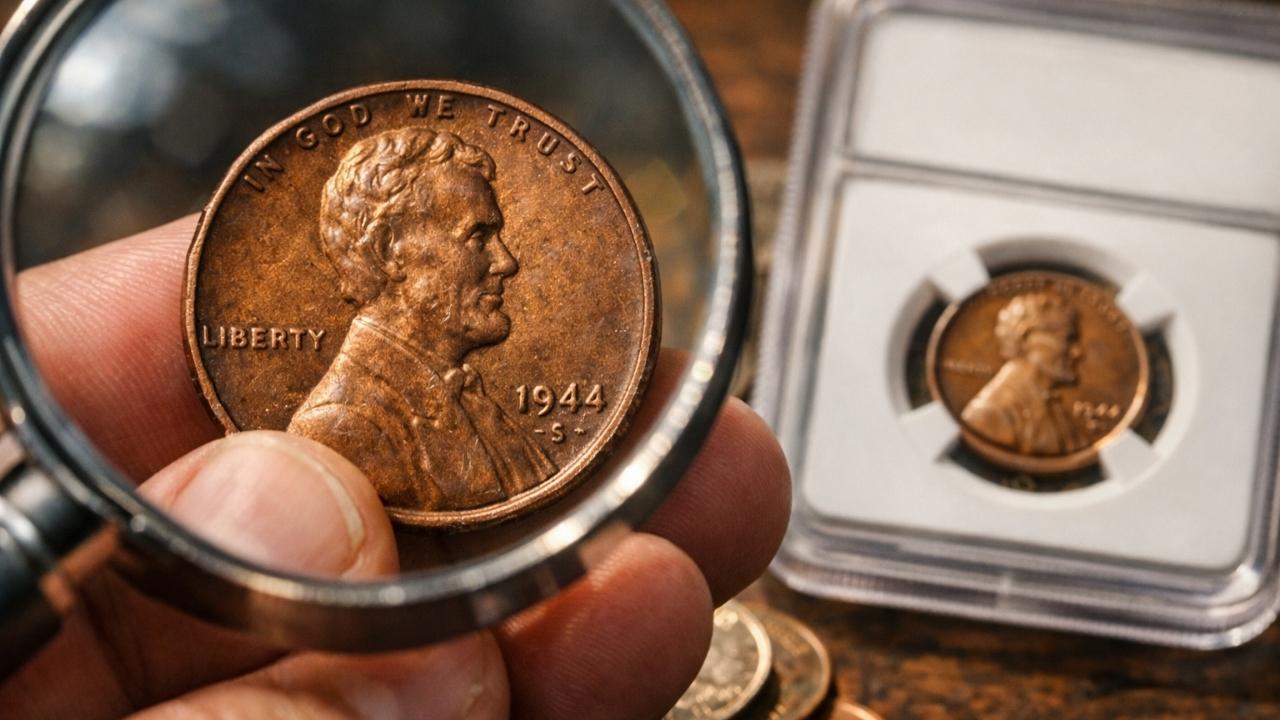
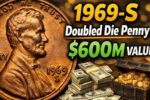
Rare Lincoln Wheat Penny Worth $567,000 in 2026: The Lincoln Wheat Penny is one of the most iconic coins in American numismatics. First minted in 1909 to honor the centennial of Abraham Lincoln’s birth, it quickly became a favorite among collectors and everyday Americans. Its design, featuring Lincoln’s portrait on the obverse and two wheat stalks on the reverse, symbolized both national pride and agricultural prosperity. Over time, certain rare varieties and error coins have become incredibly valuable, with some commanding prices that rival fine art or rare jewels. In 2026, one particular Lincoln Wheat Penny shocked the collecting world when it sold for $567,000, cementing its place as one of the most desirable coins in history.
The Historical Significance of the Wheat Penny
The Lincoln Wheat Penny was revolutionary when it was introduced. Prior to 1909, U.S. coins typically featured allegorical figures such as Liberty. The decision to place a real historical figure on the coin was groundbreaking. Victor David Brenner, the designer, created a portrait of Lincoln that captured his solemn dignity. The wheat stalks on the reverse were chosen to represent America’s agricultural roots. This coin was not only a piece of currency but also a symbol of national identity. Collectors today value the Wheat Penny not just for its rarity but also for its historical importance.
Why Some Wheat Pennies Are Worth a Fortune
Most Wheat Pennies are worth only a few cents to a few dollars depending on condition. However, certain factors can elevate a coin’s value dramatically. These include low mintage numbers, minting errors, and coins preserved in exceptional condition. For example, the 1909-S VDB penny is famous for its rarity, with only 484,000 minted. Error coins, such as double dies or off-center strikes, are also highly prized. When these factors combine, the value can skyrocket. The $567,000 penny sold in 2026 was a perfect storm of rarity, condition, and collector demand.
The Record Breaking $567,000 Sale
In 2026, a Lincoln Wheat Penny stunned the numismatic community when it sold at auction for $567,000. This coin was a rare error variety, preserved in near-perfect condition. Its provenance included decades of careful storage by a private collector who recognized its potential value. The sale highlighted the growing interest in rare coins as alternative investments. Collectors and investors alike were captivated by the story of a humble one-cent coin achieving such extraordinary worth. The auction house described it as a once-in-a-lifetime opportunity, and the bidding war reflected that sentiment.
Error Coins That Command High Prices
Error coins are among the most fascinating aspects of coin collecting. They occur when mistakes happen during the minting process, and instead of being discarded, some make it into circulation. Common errors include double die strikes, off-center strikes, clipped planchets, and wrong-metal strikes. The rarity of these errors makes them highly collectible. For Wheat Pennies, famous errors include the 1955 double die obverse, where the date and lettering appear doubled. Such coins can fetch thousands of dollars even in circulated condition. The $567,000 penny was an extraordinary error that combined rarity with pristine preservation.
Collector Tips for Identifying Valuable Wheat Pennies
For collectors hoping to find their own treasure, knowledge is key. Here are some tips for identifying valuable Wheat Pennies:
- Check the date and mint mark. Coins from the San Francisco Mint (marked with an S) are often rarer.
- Look for errors such as doubling in the lettering or date.
- Examine the coin’s condition. Uncirculated coins with sharp details are worth far more.
- Use a magnifying glass to spot subtle errors.
- Consult reputable coin guides and auction records to compare values.
Patience and attention to detail can make the difference between finding a common penny and discovering a rare gem.
The Role of Grading in Determining Value
Coin grading is essential in determining a coin’s value. Professional grading services such as PCGS and NGC evaluate coins based on their condition, assigning grades from Poor (P-1) to Perfect Mint State (MS-70). Even small differences in grade can mean thousands of dollars in value. For example, a Wheat Penny graded MS-65 might be worth hundreds, while the same coin in MS-67 could be worth thousands. The $567,000 penny was graded at an exceptionally high level, which contributed significantly to its record-breaking price.
Investment Potential of Rare Coins
Rare coins have increasingly been recognized as alternative investments. Unlike stocks or bonds, coins are tangible assets with historical and artistic value. Their rarity ensures that demand often outpaces supply. The sale of the $567,000 Wheat Penny in 2026 underscored this trend. Investors are drawn to coins because they combine stability with the potential for dramatic appreciation. However, investing in coins requires expertise. Not all coins will increase in value, and authenticity is crucial. Working with reputable dealers and auction houses is essential for serious investors.
Famous Wheat Pennies in History
Several Wheat Pennies have achieved legendary status among collectors. The 1909-S VDB is perhaps the most famous, valued for its low mintage and distinctive initials. The 1914-D penny is another rarity, especially in high grades. The 1922 “No D” penny, where the Denver mint mark is missing, is a celebrated error. The 1955 double die obverse remains one of the most sought-after error coins. Each of these coins tells a story of rarity, error, or historical significance. The $567,000 penny now joins this elite group, forever remembered as one of the most valuable Wheat Pennies ever sold.
How to Start Collecting Wheat Pennies
For beginners, collecting Wheat Pennies is an accessible and rewarding hobby. Many can be found in circulation or purchased inexpensively from coin shops. Starting with a basic collection of common dates helps build knowledge. From there, collectors can seek out rarer varieties and errors. Coin shows and auctions provide opportunities to learn from experts and acquire special pieces. Building a collection requires patience, but the journey is part of the fun. Every coin has a story, and discovering those stories is what makes collecting so engaging.
Preserving and Storing Your Collection
Proper preservation is vital for maintaining a coin’s value. Coins should be stored in protective holders to prevent scratches and tarnish. Avoid cleaning coins, as this can damage their surfaces and reduce value. Climate-controlled environments are ideal for long-term storage. Collectors often use albums or display cases to organize their collections. Documentation is also important. Keeping records of purchase dates, prices, and provenance adds to a coin’s value. The $567,000 penny owed much of its worth to careful preservation over decades.

The Future of Coin Collecting
Coin collecting continues to evolve in the digital age. Online auctions and marketplaces have made rare coins more accessible to a global audience. Social media allows collectors to share discoveries and connect with others. Technology has also improved authentication and grading processes. As interest grows, rare coins like the Wheat Penny are likely to continue appreciating in value. The record-breaking sale in 2026 may inspire a new generation of collectors to search for hidden treasures in their own pockets. Coin collecting remains a blend of history, art, and investment, ensuring its enduring appeal.
Conclusion
The Lincoln Wheat Penny is more than just a coin. It is a piece of history, a work of art, and for some, a life-changing treasure. The $567,000 sale in 2026 demonstrated the extraordinary potential of rare coins. Whether through minting errors, low mintage numbers, or exceptional preservation, certain Wheat Pennies have achieved legendary status. For collectors, the thrill lies in the hunt, the discovery, and the preservation of these small but significant artifacts. As coin collecting continues to grow, the Wheat Penny will remain at the heart of the hobby, inspiring generations to come.