Lincoln Wheat Penny Value 2026: The idea that a simple penny could be worth thousands of dollars sounds almost unbelievable. Yet for collectors across the United States, the Lincoln Wheat Penny continues to prove that small change can hold life changing value. As we move into 2026, interest in rare Wheat Pennies has grown stronger than ever. Stories of valuable coins discovered in old jars, inherited collections, and even pocket change have sparked curiosity among beginners and seasoned collectors alike.
The Lincoln Wheat Penny is not just a coin. It is a piece of American history. Minted for decades and handled by millions of people, it carries stories from the early twentieth century. Some of these pennies are now worth far more than one cent. In rare cases, a single coin has sold for $50,000 or more depending on its condition and unique features.
This article explores the value of the Lincoln Wheat Penny in 2026, what makes certain pieces rare, how to identify valuable examples, and why collectors are willing to pay such high prices.
History of the Lincoln Wheat Penny
The Lincoln Wheat Penny was first introduced in 1909 to honor the 100th birthday of President Abraham Lincoln. It was the first United States coin to feature a real historical figure instead of a symbolic image. The design was created by sculptor Victor David Brenner.

On the front of the coin, also known as the obverse, you will find the profile of Abraham Lincoln. On the back, or reverse, two wheat stalks frame the words One Cent and United States of America. This design gave the coin its popular nickname, the Wheat Penny.
The Wheat Penny was minted from 1909 until 1958. After 1958, the design was replaced with the Lincoln Memorial reverse. During its production years, billions of Wheat Pennies were made. However, not all were created equal. Certain years, mint locations, and production errors resulted in rare varieties that are highly valuable today.
Why Some Lincoln Wheat Pennies Are Worth $50,000
At first glance, one Wheat Penny looks almost identical to another. The difference in value lies in rarity, condition, mint mark, and errors.
Rarity plays the biggest role. Some pennies were produced in very low numbers. Others were made during difficult times such as wartime, when materials and quality control varied. Coins that survived in excellent condition are even harder to find.

Condition is measured using a grading scale. A coin that looks nearly new with sharp details and original shine can be worth many times more than the same coin in worn condition.
Mint errors also add tremendous value. Mistakes such as double stamping, off center strikes, or incorrect metal composition make a coin unique. Collectors are often willing to pay large sums for these unusual pieces.
When a rare date, excellent condition, and a mint error combine, the value can skyrocket to $50,000 or more.
Rare Lincoln Wheat Penny Dates to Watch in 2026
Not every Wheat Penny is valuable, but several key dates stand out. Below is a helpful table highlighting some of the most sought after coins and their approximate values in 2026 depending on condition.

| Year | Mint Mark | Key Feature | Approximate Value in High Grade |
|---|---|---|---|
| 1909 | S VDB | Low mintage with designer initials | $2,000 to $50,000 |
| 1914 | D | Very low production | $1,500 to $25,000 |
| 1922 | No D | Missing mint mark error | $5,000 to $30,000 |
| 1931 | S | Limited mintage | $500 to $5,000 |
| 1943 | Copper | Wrong metal error | $10,000 to $100,000 |
| 1955 | None | Doubled die error | $1,000 to $20,000 |
Values depend heavily on condition and authenticity. A professional grading service can provide accurate evaluation.
The Famous 1943 Copper Wheat Penny
One of the most legendary coins in American history is the 1943 copper Wheat Penny. During World War Two, copper was needed for military equipment. As a result, the United States Mint produced pennies using steel coated with zinc in 1943.
However, a small number of copper blanks were accidentally used. These rare 1943 copper pennies are among the most valuable coins ever discovered. In excellent condition, they have sold for well over $50,000 and in some cases even more than $100,000.
Finding one in pocket change today would be extremely rare, but a few examples have surfaced in unexpected places over the years.
Understanding Mint Marks
Mint marks indicate where a coin was produced. For Lincoln Wheat Pennies, the main mint locations were Philadelphia, Denver, and San Francisco.
Philadelphia coins typically have no mint mark.
Denver coins feature a small D.
San Francisco coins display an S.

Mint marks are located just below the date on the front of the coin. In some years, certain mint locations produced far fewer coins than others. That limited production increases scarcity and value.
For example, the 1914 D Wheat Penny is significantly more valuable than the same year from Philadelphia because fewer were made in Denver.
Condition and Coin Grading Explained
Coin grading is essential in determining value. Even a rare date coin can lose much of its worth if it is heavily worn.
Collectors use a scale that ranges from Poor to Mint State. Mint State coins show no signs of circulation and retain original shine. These coins command the highest prices.
Key grading levels include:
Good, where the design is visible but worn.
Fine, where details are clearer but still show wear.
Extremely Fine, where light wear appears on high points.
Mint State, where the coin looks nearly untouched.
In 2026, certified coins graded by professional services tend to sell for higher prices because buyers trust the authenticity and condition assessment.
How to Identify a Valuable Wheat Penny
If you want to check your pocket change or old coin jar, follow these steps:
First, examine the date carefully. Look for key years such as 1909, 1914, 1922, 1931, 1943, and 1955.
Second, check for a mint mark below the date.
Third, inspect the coin for unusual features such as doubled letters, missing mint marks, or odd coloring.
Fourth, weigh the coin if you suspect a 1943 copper penny. A steel penny weighs about 2.7 grams, while a copper penny weighs about 3.11 grams.
Finally, avoid cleaning the coin. Cleaning can reduce its value significantly.
The Role of Errors in Increasing Value
Mint errors make coins unique. Some common errors in Wheat Pennies include doubled die errors, off center strikes, clipped planchets, and wrong metal compositions.
The 1955 doubled die penny is especially famous. The date and lettering appear clearly doubled due to a misalignment during production. This striking visual effect makes it highly desirable among collectors.
Error coins are often discovered years after they were minted. Because they were not intentional, they can be extremely rare.
Market Trends for Lincoln Wheat Pennies in 2026
In 2026, the coin collecting market remains strong. Economic uncertainty often increases interest in tangible assets such as rare coins. Wheat Pennies are affordable for beginners yet offer high value potential for serious investors.
Online auctions and coin shows continue to drive competition. High grade examples of key dates have shown steady appreciation over the past decade. Collectors are particularly interested in coins with original surfaces and minimal damage.
The demand for certified coins has also grown. Buyers prefer coins that have been authenticated and graded by professionals.
Can You Still Find Valuable Pennies in Circulation
While it is rare, valuable Wheat Pennies still occasionally appear in circulation. Many people overlook old coins or spend them without realizing their worth.
Estate sales, garage sales, and inherited collections are more common sources of valuable finds. Searching through rolls of pennies from banks is another popular method among hobbyists.
Patience is key. Most pennies you find will only be worth face value, but the excitement of possibly discovering a hidden treasure keeps collectors motivated.
Tips for New Coin Collectors
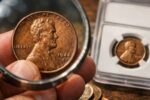
If you are new to coin collecting, start by learning the basics. Purchase a magnifying glass and a reliable coin guide. Store coins in protective holders to prevent damage.
Do not rush into expensive purchases without research. Attend local coin shows to gain knowledge and connect with experienced collectors.
Focus on quality rather than quantity. A few high grade coins are often more valuable than a large number of common pieces.
Most importantly, collect because you enjoy it. The historical connection and thrill of discovery are just as rewarding as financial gain.
Why the Lincoln Wheat Penny Remains Popular
The Lincoln Wheat Penny holds a special place in American culture. It represents a simpler time and connects generations through shared history.
Its design is classic and recognizable. The wheat stalks symbolize growth and prosperity. Abraham Lincoln remains one of the most respected presidents in United States history.
Because the coins were produced in such large numbers, many people have personal memories of finding them in change. This emotional connection adds to their lasting popularity.
Stories of $50,000 Discoveries
Over the years, there have been remarkable stories of valuable Wheat Pennies discovered by ordinary individuals. Some found rare coins in inherited jars. Others noticed unusual coloring or doubling and decided to investigate further.
In one case, a collector purchased a small bag of old pennies at a flea market and discovered a rare key date in excellent condition. The coin later sold for tens of thousands of dollars at auction.
These stories fuel excitement and encourage people to examine their spare change more closely.
Final Thoughts on Lincoln Wheat Penny Value 2026
The Lincoln Wheat Penny continues to capture the imagination of collectors across the United States. While most are worth only a few cents, certain rare examples can command astonishing prices, including $50,000 or more.
Understanding key dates, mint marks, condition, and errors is essential for identifying valuable pieces. With patience and careful examination, anyone can participate in the search.