1917 Walking Liberty Half Dollar Value: The 1917 Walking Liberty half dollar is one of the most sought-after coins in American numismatics. With its stunning design, rich history, and rare variations, the 1917 Walking Liberty half dollar has become a symbol of both beauty and mystery in the world of coin collecting. But what makes this particular coin so valuable? Some of these coins have sold for an astonishing $175,000 or more, but how does one determine what makes the 1917 Walking Liberty half dollar so special? In this article, we’ll explore the value, history, and factors that influence the worth of this iconic coin.
The History Behind the 1917 Walking Liberty Half Dollar
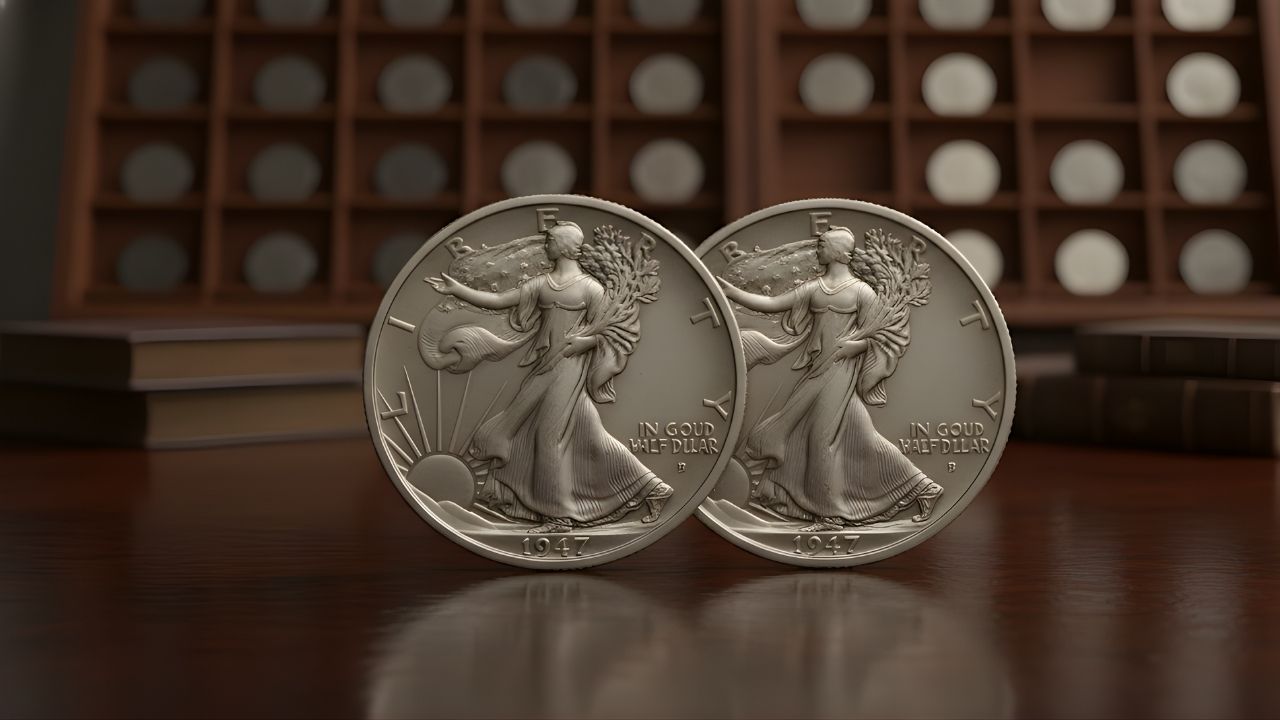
The Walking Liberty half dollar was designed by the famous artist Adolph A. Weinman and first issued in 1916. The coin features a beautiful walking Liberty on the obverse, with her right arm extended as she strides forward, symbolizing progress and freedom. On the reverse, a majestic bald eagle stands, surrounded by the coin’s inscription. The design quickly became one of the most beloved and enduring in U.S. coinage.
The 1917 coin is particularly significant because it represents the first year of the coin’s second design variation. Initially, the coin had a full-struck eagle on the reverse, but starting in 1917, the design was modified to show the eagle in a more simplified stance. This design change makes the 1917 coin a pivotal moment in the history of the Walking Liberty half dollar series.
Key Factors That Affect the Value of the 1917 Walking Liberty Half Dollar
Several factors contribute to the value of the 1917 Walking Liberty half dollar. While all coins of this type are valuable to collectors, certain elements can significantly increase the worth of an individual coin. Understanding these factors is essential for anyone looking to buy, sell, or assess the value of a 1917 Walking Liberty half dollar.

1. Condition of the Coin
The condition or grade of the coin is one of the most important factors influencing its value. Coins are graded based on their wear, which is measured using a scale from 1 to 70, with 70 being a perfect, uncirculated coin. A higher grade means a coin is in better condition, and better-conditioned coins are worth significantly more.
Coins in excellent condition, especially those that are graded MS-65 or higher, tend to fetch much higher prices. Coins with sharp details, little to no wear, and minimal imperfections are the most prized. On the other hand, coins with significant wear or damage will be valued much lower.
2. Rarity and Mintage
The rarity of a coin plays a critical role in determining its value. While the 1917 Walking Liberty half dollar was minted in large quantities, certain variations are much rarer than others. Specifically, the 1917 coin comes in two main variations: the “Type 1” (featuring the full eagle) and the “Type 2” (with the modified eagle design).
The “Type 2” coin is the rarer of the two, with fewer examples surviving in excellent condition. The mintage numbers for these coins are lower, and they were struck at a time when the U.S. government was in the middle of changing coin designs. As a result, collectors find them much harder to come by, driving up their value.

3. Demand and Collector Interest
The value of the 1917 Walking Liberty half dollar is also influenced by collector interest. Coins that are highly sought after by collectors tend to appreciate over time. This is especially true for coins with historical significance, beautiful designs, and rare variations like the 1917 Walking Liberty half dollar.
Collectors and investors are constantly on the lookout for coins that will increase in value over the long term. As a result, coins that have both historical appeal and strong demand, such as the 1917 Walking Liberty half dollar, are likely to continue to rise in value.

4. Special Variations and Errors
Sometimes, specific variations or errors in the minting process can significantly increase the value of a coin. The 1917 Walking Liberty half dollar, like many coins, has a few examples with distinctive errors, such as misstrikes or overprints. These errors can make a coin much rarer and more valuable to collectors who are focused on obtaining unique pieces.
For example, a 1917 Walking Liberty half dollar with a doubled die or an unusual minting error can be worth far more than a standard coin of the same year and design. These coins often generate excitement and intense competition among collectors, driving up prices in auctions.

How Much Is a 1917 Walking Liberty Half Dollar Worth?
The value of a 1917 Walking Liberty half dollar can vary greatly depending on its condition, rarity, and the specific variation it belongs to. In general, coins in good condition (graded around VF-20) can be worth anywhere from $20 to $50. Coins in better condition, such as those graded MS-63 or higher, can fetch much higher prices, typically between $100 and $500.
For those looking to invest in premium examples, the “Type 2” 1917 Walking Liberty half dollar, especially in mint state (graded MS-65 or higher), can command significantly higher prices. In recent years, these coins have been known to sell for $5,000 to $20,000, depending on their grade and condition.
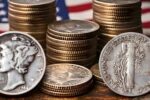
The real mystery, however, lies in the exceptionally rare examples of the 1917 Walking Liberty half dollar that have sold for extraordinary amounts. Some of the highest-quality “Type 2” examples have been known to fetch prices in excess of $100,000 at auction. In rare instances, some of the finest examples of the 1917 Walking Liberty half dollar have even sold for over $175,000, making them one of the most valuable half dollars in American history.
Where to Buy or Sell a 1917 Walking Liberty Half Dollar
If you’re interested in purchasing or selling a 1917 Walking Liberty half dollar, it’s essential to use reputable dealers or auction houses. Many established numismatic dealers and online platforms specialize in rare coins, and they can help guide you through the process of buying or selling.
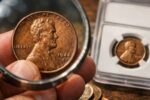
If you’re selling a high-grade 1917 Walking Liberty half dollar, it’s a good idea to have it appraised by a professional numismatist or submit it for certification from a trusted grading service like the Numismatic Guaranty Corporation (NGC) or Professional Coin Grading Service (PCGS). Certification adds legitimacy to your coin and ensures that buyers know exactly what they are getting.
Conclusion
The 1917 Walking Liberty half dollar is more than just a coin; it’s a piece of American history that captures the spirit of the nation during a pivotal moment. With its stunning design, rare variations, and historical significance, the 1917 Walking Liberty half dollar continues to be a favorite among collectors and investors alike.
Understanding the factors that influence the value of this coin, including its condition, rarity, and collector demand, can help you make an informed decision whether you’re looking to buy or sell one. While most 1917 Walking Liberty half dollars are worth a few hundred dollars, the rare, high-quality examples of this coin can fetch jaw-dropping amounts, sometimes reaching $175,000 or more.
For collectors, owning a 1917 Walking Liberty half dollar is not just about the monetary value; it’s about possessing a piece of history, a symbol of American craftsmanship, and an enduring legacy that continues to captivate coin enthusiasts around the world.