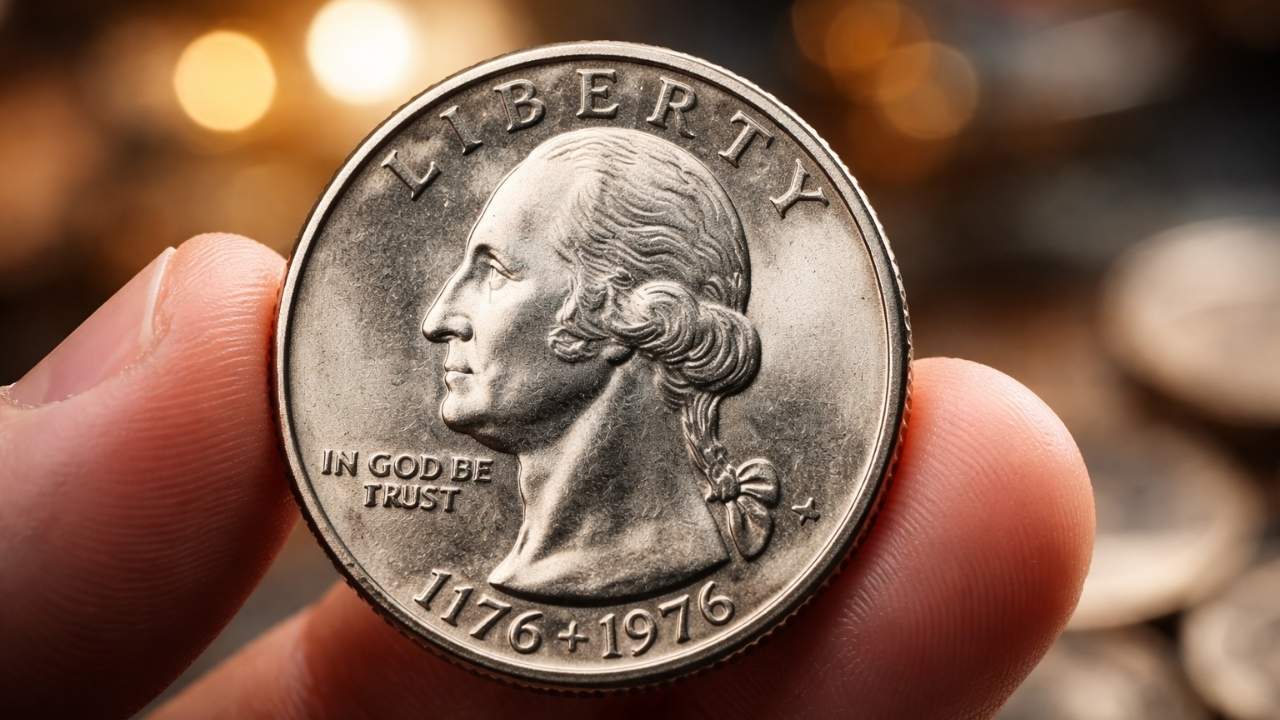
1776–1976 Bicentennial Quarter Value in 2026: The Bicentennial Quarter is one of the most recognizable coins in American history. Struck in 1975 and 1976 to celebrate the 200th anniversary of the signing of the Declaration of Independence, it carries the dual date 1776 1976 and features a colonial drummer on the reverse. Millions were produced, making them common in circulation, yet their historical significance and the presence of rare varieties have ensured lasting collector interest. In 2026, fifty years after their release, these coins remain a fascinating blend of history, art, and value.
The Story Behind the Bicentennial Coinage
The United States Mint launched a special coinage program to mark the Bicentennial. The quarter, half dollar, and dollar were all redesigned with patriotic motifs. The quarter’s reverse was created by Jack L. Ahr, depicting a Revolutionary War drummer boy with a torch of victory surrounded by thirteen stars. This design captured the spirit of independence and resonated deeply with the public. For many Americans, these coins became keepsakes of a national celebration, tucked away in drawers and albums as reminders of the country’s heritage.
Production and Distribution
The Bicentennial Quarter was struck at three mints. Philadelphia produced coins without a mint mark, Denver coins carried the D mint mark, and San Francisco struck proof and silver versions with the S mint mark. The Mint produced hundreds of millions of clad quarters for circulation, ensuring that nearly every American encountered them. Silver versions were sold in special collector sets, making them scarcer and more desirable today.
Common Bicentennial Quarters in Circulation
Most Bicentennial Quarters are copper nickel clad coins that circulated widely. In 2026, circulated examples generally hold only face value unless they are in exceptional condition. Uncirculated clad coins, however, can command modest premiums. Collectors often pay between one and five dollars for mint state examples, especially those graded MS 65 or higher. While not rare, they remain popular due to their nostalgic appeal.

Silver Bicentennial Quarters
The Mint also produced 40 percent silver Bicentennial Quarters for collector sets. These coins were never intended for circulation and were sold directly to the public in proof and uncirculated sets. In 2026, silver Bicentennial Quarters are valued between ten and thirty dollars depending on condition. High grade proofs, particularly those graded PR 69 or PR 70, can fetch significantly more. Their silver content also provides intrinsic value, making them attractive to both coin collectors and bullion investors.
Rare Error Varieties
Error coins are the crown jewels of Bicentennial Quarter collecting. In 2026, several varieties stand out as particularly valuable.
Doubled Die Obverse. Some coins show doubling in the date or lettering, creating a striking visual effect. These can command hundreds of dollars depending on clarity and grade.
Off Center Strikes. Coins struck off center, with part of the design missing, are highly collectible. Values vary widely, often from fifty to several hundred dollars.

Clipped Planchets. Coins with a curved clip where the blank was improperly cut are rare and desirable.
Wrong Planchet Errors. A few Bicentennial Quarters were mistakenly struck on dime or foreign coin blanks, making them exceptionally valuable.
Collector Market in 2026
The collector market for Bicentennial Quarters remains strong. While common examples are plentiful, demand for rare varieties and pristine silver issues has grown. Auction records show that high grade error coins can reach thousands of dollars. Collectors are increasingly drawn to the nostalgia and historical significance of these coins, ensuring their continued popularity. The fiftieth anniversary of their release has further boosted interest, with many enthusiasts seeking to complete sets or upgrade their collections.
Identifying Valuable Bicentennial Quarters
Collectors should pay close attention to the following when examining Bicentennial Quarters.
Condition. Coins in mint state or proof condition are worth more.
Composition. Silver versions are more valuable than copper nickel.
Errors. Look for doubling, off center strikes, or unusual features.
Mint Marks. Coins from San Francisco are often silver proofs, while Philadelphia and Denver produced circulation strikes.
Price Guide for 2026
Here is a general overview of Bicentennial Quarter values in 2026.
| Type | Condition | Value Range |
|---|---|---|
| Copper Nickel Circulated | Average | $0.25 |
| Copper Nickel Uncirculated | Mint State | $1–$5 |
| Silver Uncirculated | Mint State | $10–$20 |
| Silver Proof | High Grade | $15–$30+ |
| Doubled Die Error | Mint State | $100–$500+ |
| Off Center Error | Mint State | $50–$300+ |
| Wrong Planchet Error | Rare | $1,000+ |
Values fluctuate based on demand, rarity, and condition, but this guide provides a snapshot of the 2026 market.
Collecting Strategies
For new collectors, starting with affordable uncirculated or silver examples is a good entry point. More advanced collectors may seek out error coins or high grade proofs. Building a complete set of Bicentennial Quarters, including both clad and silver versions, is a rewarding project that captures a unique moment in American numismatic history. Some collectors also pursue registry sets, competing to assemble the highest graded examples certified by professional grading services.
Preservation and Grading
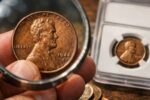
Proper preservation is essential. Coins should be stored in protective holders to prevent scratches and tarnish. Professional grading services can authenticate and assign grades, which often increase value. In 2026, graded Bicentennial Quarters in MS 67 or higher are particularly sought after. Proof coins with deep cameo contrast are especially prized, as they showcase the artistry of the design.
The Role of Nostalgia
Beyond monetary value, Bicentennial Quarters hold deep sentimental meaning. Many Americans remember receiving them in change during the mid 1970s, sparking curiosity about history and coin collecting. In 2026, nostalgia continues to drive demand, as collectors seek to reconnect with childhood memories or preserve a tangible piece of national heritage. This emotional connection ensures that Bicentennial Quarters will remain popular for generations.
Auction Highlights and Market Trends
Recent auctions have demonstrated the strength of the Bicentennial Quarter market. High grade silver proofs have sold for several hundred dollars, while rare error coins have reached into the thousands. Collectors are increasingly willing to pay premiums for coins with exceptional eye appeal or unique characteristics. Market trends suggest that demand will remain strong, particularly as younger generations discover the historical significance of these coins.
Conclusion
The 1776 1976 Bicentennial Quarter remains a beloved piece of American coinage. While most examples are common, rare errors and silver issues continue to captivate collectors. In 2026, values range from pocket change to thousands of dollars, depending on rarity and condition. For enthusiasts, these coins offer both historical significance and the thrill of discovery, making them a cornerstone of modern numismatics. The fiftieth anniversary has only heightened interest, ensuring that the Bicentennial Quarter will remain a treasured collectible well into the future.