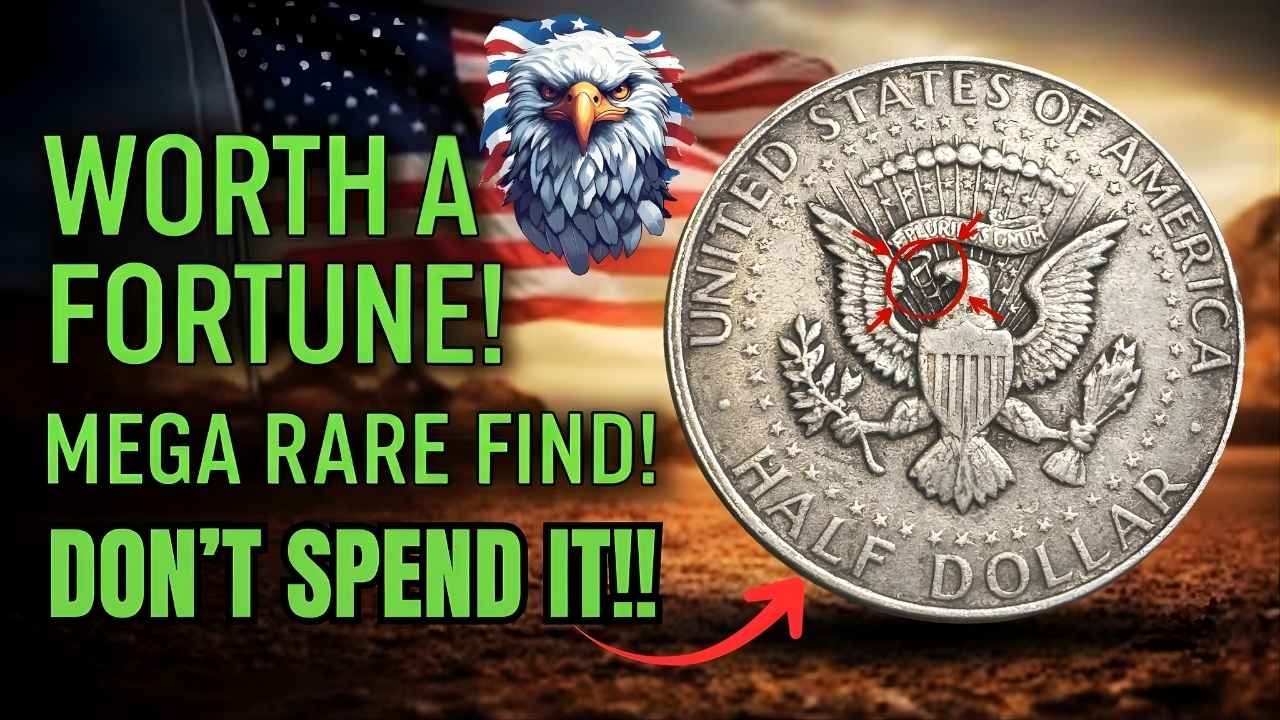
Kennedy Half Dollar Value Guide 2026: The Kennedy Half Dollar remains one of the most collected coins in American numismatic history. First issued in 1964 to honor the late President John F. Kennedy, the coin quickly became both a circulating tribute and a cherished keepsake. More than six decades later, interest in the series remains strong, and 2026 is shaping up to be another important year for collectors and investors alike.
This complete value guide explores current market trends, rare varieties, silver content, key dates, grading insights, and investment potential. Whether you are a beginner searching through inherited coins or an advanced collector building a registry set, this guide will help you understand what your Kennedy Half Dollars may be worth in 2026.
History of the Kennedy Half Dollar
The Kennedy Half Dollar was authorized just weeks after President Kennedy’s assassination in November 1963. The coin was designed by Gilroy Roberts and Frank Gasparro and was released in early 1964. It replaced the Franklin Half Dollar and immediately became a symbol of national remembrance.
The first 1964 coins were struck in 90 percent silver. Demand was overwhelming, and millions were hoarded by the public. Because of rising silver prices, the composition changed in 1965 to a 40 percent silver clad format. By 1971, the coin transitioned to a copper nickel clad composition for circulation.
The coin has been produced continuously by the United States Mint, though since 2002 most issues have been struck primarily for collectors rather than general circulation.
Understanding this historical context is critical when evaluating value, because metal composition and mintages directly influence pricing.
Metal Composition and Its Impact on Value
The Kennedy Half Dollar has been minted in three primary metal compositions, and each plays a role in determining base value.
1964 Issues
These coins contain 90 percent silver and 10 percent copper. Each coin holds approximately 0.3617 troy ounces of pure silver. In 2026, their minimum value closely follows the current silver spot price.
1965 to 1970 Issues
These contain 40 percent silver with approximately 0.1479 troy ounces of pure silver. Though less valuable than 1964 coins, they still maintain a silver premium.
1971 to Present Circulation Issues
These coins are copper nickel clad with no silver content, except for special collector silver proofs.
Because of fluctuating precious metal markets, silver prices remain a major factor in determining melt value. However, numismatic premiums often exceed metal value for higher grade coins and rare varieties.
Kennedy Half Dollar Value Chart for 2026
Below is a simplified value chart based on average 2026 market conditions. Prices assume typical circulated and uncirculated examples. High grade certified coins may sell for significantly more.

| Year | Composition | Circulated Value | Uncirculated Value | Notes |
|---|---|---|---|---|
| 1964 | 90% Silver | $9 to $12 | $15 to $40 | High demand first year |
| 1965 to 1967 | 40% Silver | $4 to $6 | $8 to $20 | No mint marks |
| 1968 to 1969 S | 40% Silver | $4 to $6 | $10 to $25 | Proof versions valuable |
| 1970 D | 40% Silver | $10 to $20 | $30 to $80 | Key date |
| 1971 to 1974 | Clad | $0.50 to $1 | $3 to $10 | Condition matters |
| 1976 Bicentennial Silver | 40% Silver | $5 to $8 | $10 to $30 | Collector favorite |
| 1987 P and D | Clad | $2 to $4 | $15 to $40 | Low mintage |
| 1998 S Matte Proof | 90% Silver | $40 to $70 | $100+ | Special issue |
| 2014 Gold Proof | Gold | $1,200+ | $1,500+ | Limited edition |
Values fluctuate based on grading, certification, and market demand.
Rare and Key Date Kennedy Half Dollars
Certain years stand out due to low mintage, errors, or collector demand.

1964 SMS
The Special Mint Set version from 1964 is extremely rare and can sell for thousands of dollars depending on condition.
1970 D
Only issued in mint sets and never released for circulation. This makes it one of the most important regular issue key dates.
1987 P and 1987 D
Not released into circulation and sold only in mint sets. High grade examples command strong premiums.
1998 S Matte Proof
Issued as part of a commemorative set, this coin has a unique finish and limited mintage.
2014 50th Anniversary Issues
Special gold and enhanced silver editions were released to mark the series anniversary.
Collectors should carefully examine mint marks and packaging history to identify these valuable pieces.
Valuable Error Coins and Varieties
Error coins can be worth far more than standard issues. Some of the most sought after Kennedy Half Dollar errors include:
Doubled Die Obverse
Noticeable doubling on lettering and date can significantly increase value.
No FG Initials
On some 1966 coins, the designer’s initials FG are missing or weak. Strong missing examples carry premiums.
Off Center Strikes
Coins struck off center while retaining readable dates are collectible.
Clipped Planchets
Irregularly shaped coins caused by improper blank cutting can bring strong interest.
Accented Hair 1964 Proof
Early proof versions show stronger hair details above Kennedy’s ear. These coins are collected as a distinct variety.
Error coins should ideally be authenticated and graded by a reputable service to confirm legitimacy.
Grading and Its Influence on 2026 Prices
Condition plays a major role in value. Coins are graded on a scale from Poor to Mint State 70.
Circulated Grades
Coins with visible wear fall into lower grades. Silver content often determines baseline value.
About Uncirculated
Slight wear on high points but strong detail overall.
Mint State
No wear with varying degrees of luster and strike quality. MS65 and above examples often command large premiums.
Proof Grades
Proof coins are specially struck for collectors and graded separately. PR69 and PR70 examples are highly desirable.
In 2026, registry set competition continues to push high grade certified populations higher in value, especially for low mintage years.
Silver Market Influence in 2026
Precious metal trends directly impact Kennedy Half Dollar prices. If silver prices rise, melt values increase accordingly.
For example, if silver trades at 30 dollars per ounce in 2026, a 1964 half dollar contains over 10 dollars in intrinsic silver value. If silver rises to 35 dollars, melt value increases proportionally.
However, collectors should remember that numismatic value often exceeds melt value for better dates and higher grades.
Monitoring silver market forecasts helps investors determine whether to hold or sell their silver Kennedy coins.
Bicentennial Kennedy Half Dollars
The 1776 to 1976 Bicentennial design features Independence Hall on the reverse. These coins were minted in large quantities, making standard clad versions common.
However, 40 percent silver Bicentennial versions from special mint sets carry higher premiums. High grade silver Bicentennial halves remain popular with collectors assembling complete date runs.
Proof versions in deep cameo condition can command even stronger prices in 2026.
Modern Collector Issues and Special Editions
In recent decades, the Mint has released numerous collector focused editions.
Silver Proof Coins
These contain 90 percent silver and are sold directly to collectors.
Reverse Proof Coins
Featuring mirrored designs with frosted backgrounds.
Enhanced Uncirculated Coins
Special surface treatment introduced for anniversary editions.
Gold Proof Editions
Struck in high purity gold with limited mintages.
These modern issues often perform well in the secondary market if mintages are low and demand remains steady.
Investment Potential of Kennedy Half Dollars
Are Kennedy Half Dollars a good investment in 2026? The answer depends on strategy.
Silver Focused Strategy
Investors buy 1964 and 40 percent silver coins for bullion value with modest numismatic upside.
Key Date Strategy
Collectors focus on low mintage years like 1970 D and 1987 issues.
High Grade Registry Strategy
Investors pursue certified MS67 or higher coins with limited populations.
Long term performance has generally been stable rather than explosive, though certain rarities have appreciated substantially.
Diversification remains important. Coins should complement rather than replace traditional investments.
How to Identify Valuable Coins in Your Collection
Start by sorting coins by year and mint mark.
Check Composition
Separate 1964 and 1965 to 1970 coins for silver content.
Look for Mint Marks
D for Denver, S for San Francisco, and P for Philadelphia.
Inspect for Errors
Use magnification to check for doubling or missing initials.
Assess Condition
Coins with minimal wear and strong luster may be worth grading.
If uncertain, consider consulting a reputable coin dealer or submitting promising coins for professional grading.
Market Trends Shaping 2026
Several factors are influencing Kennedy Half Dollar values this year.
Growing Online Marketplace
More collectors are buying and selling through digital auction platforms.
Younger Collectors Entering the Hobby
Modern bullion investors are showing interest in classic silver coins.
Stable Silver Demand
Industrial and investment demand continues to support precious metal prices.
Certified Population Awareness
Collectors are more informed about rarity thanks to online census reports.
Overall, the Kennedy series maintains steady demand, especially for silver and key date examples.
Common Coins Versus True Rarities
Many people assume all older coins are valuable. In reality, millions of Kennedy Half Dollars were minted.
Common Clad Issues
Most coins from the 1970s and 1980s found in circulation are worth face value unless in exceptional condition.
High Mintage Silver Coins
Even 1964 coins, while silver, were heavily produced. Condition determines premium.
True Rarities
Coins with low mintages, errors, or exceptional grades represent the strongest value growth.
Understanding the difference prevents unrealistic expectations and improves collecting success.
Storage and Preservation Tips
Proper storage protects value.
Use Acid Free Holders
Avoid PVC based plastic flips.
Control Humidity
Store coins in a cool, dry environment.
Avoid Cleaning
Cleaning reduces value significantly and leaves visible damage.
Consider Safe Storage
For higher value collections, a safe deposit box may provide added security.
Well preserved coins consistently outperform poorly stored examples in the marketplace.
Building a Complete Kennedy Half Dollar Set
Collectors often pursue different types of sets.
Date and Mint Set
One coin from each year and mint mark.
Silver Only Set
Includes all 1964 to 1970 issues plus silver proofs.
Proof Set Collection
Focuses exclusively on proof coins from each year.
Variety Set
Includes accented hair, major doubled dies, and key errors.
The series is achievable for beginners yet complex enough for advanced collectors.
Final Thoughts on Kennedy Half Dollar Values in 2026
The Kennedy Half Dollar continues to hold a special place in American coinage. Its historical significance, silver content, and wide variety of collectible issues ensure lasting appeal.
In 2026, values remain closely tied to silver prices, condition rarity, and collector demand. While common clad coins may only carry modest premiums, key dates, rare varieties, and high grade certified examples can command impressive prices.
For collectors willing to research mintages, study grading standards, and monitor market trends, the Kennedy Half Dollar offers both enjoyment and long term potential.