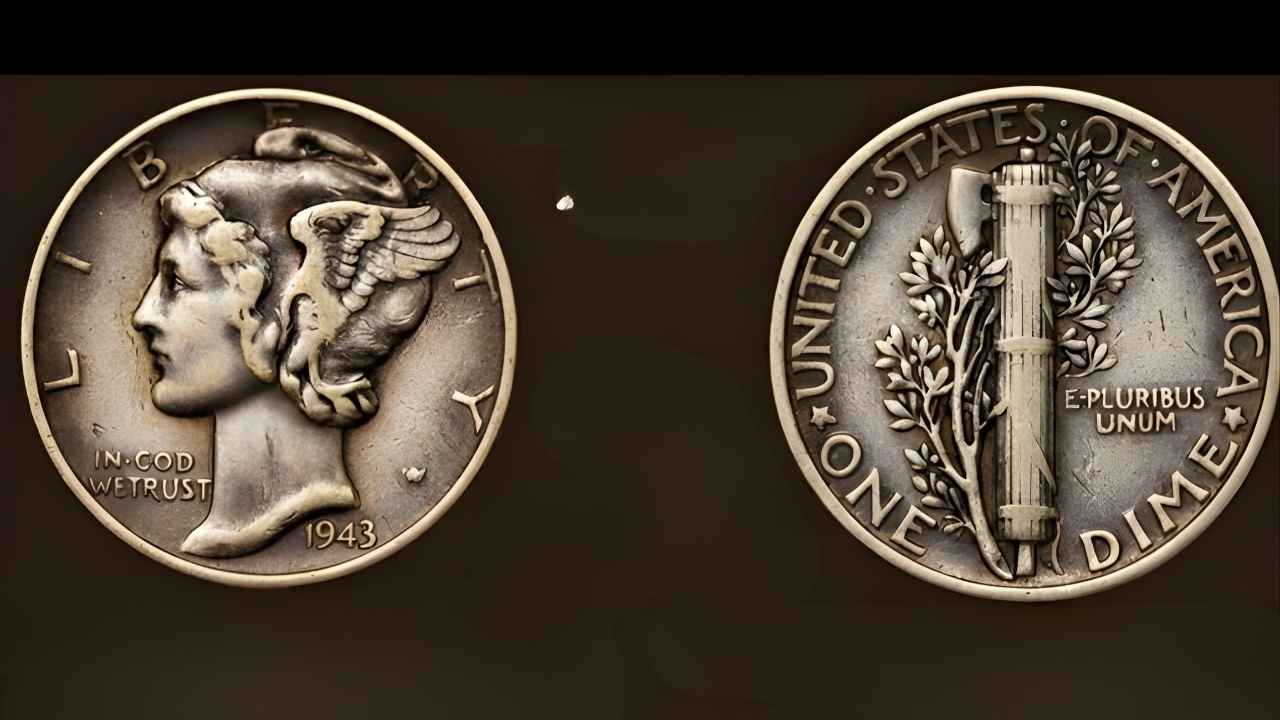
Rare Mercury Dime Worth $1.1 Million: The world of numismatics is filled with fascinating stories of rare coins and their astounding values, but few tales are as intriguing as the one of the Mercury dime worth $1.1 million. This remarkable coin, which has captivated collectors and investors alike, is not just a symbol of American history but also a representation of the potential hidden treasures in your very own coin collection. For coin enthusiasts, the Mercury dime is more than just a piece of currency – it’s a true collector’s dream.
In this article, we will explore the history behind the Mercury dime, what makes the 109-year-old coin so valuable, and how to identify rare versions of it. Whether you’re an experienced numismatist or a casual coin collector, this post will guide you in understanding the allure of the Mercury dime and how to spot valuable ones that might be hiding in your collection.

The History Behind the Mercury Dime
The Mercury dime, officially known as the “Winged Liberty Head” dime, was first introduced in 1916. Designed by the famous sculptor Adolph A. Weinman, the coin features a depiction of Liberty with a winged cap on the obverse and a bold eagle on the reverse. Its design was meant to represent the freedom and strength of the American people during a period of growth and change. The winged cap symbolizes liberty and freedom, while the eagle represents the nation’s power and resilience.
The coin was produced until 1945 and became widely recognized due to its striking beauty and the symbolism behind its design. However, the Mercury dime is particularly beloved among collectors for the stories it carries, its iconic appearance, and the fact that it was minted during an important time in American history.

Key Features of the Mercury Dime
Before we dive into the specifics of rare Mercury dimes, it’s important to understand the key characteristics of the coin. These elements are crucial in identifying Mercury dimes and differentiating rare versions from more common ones.
The Obverse: Liberty with a Winged Cap
The obverse of the Mercury dime features the image of Liberty, designed by Adolph A. Weinman. Liberty is portrayed wearing a winged cap, which was inspired by Roman gods depicted in ancient mythology. The design is striking and evokes a sense of power and freedom. Around the image of Liberty, the word “LIBERTY” appears, along with the year the coin was minted.

The winged cap has often led to confusion, with some people mistakenly believing the coin features the Roman god Mercury. This is where the name “Mercury dime” originated, despite the coin actually depicting Liberty. The presence of the winged cap has made this coin one of the most recognizable in U.S. history.
The Reverse: An Eagle in Flight
The reverse side of the Mercury dime features an eagle in flight, clutching an olive branch in its talons. This powerful symbol of strength and peace reflects the American spirit and the country’s commitment to both freedom and diplomacy. The words “UNITED STATES OF AMERICA” and “E PLURIBUS UNUM” are inscribed around the eagle, while the coin also includes the denomination “ONE DIME.”

The reverse design was also crafted by Adolph A. Weinman and has become one of the most enduring symbols of American coinage. Over time, collectors have come to appreciate the eagle’s dynamic posture and the coin’s balance of strength and elegance.
The Mint Mark
Like many U.S. coins, Mercury dimes carry a mint mark that indicates where the coin was minted. The mint mark plays a significant role in determining the rarity and value of a coin. For the Mercury dime, the following mint marks are important:
- Philadelphia Mint (No Mint Mark): The most common Mercury dimes were minted in Philadelphia and do not carry a mint mark. These are generally less rare but still valuable, especially if they are in excellent condition.
- Denver Mint (D): The “D” mint mark indicates that the coin was minted in Denver. Denver-minted dimes tend to be more common than those from other mints, but they can still be worth more depending on their rarity and condition.
- San Francisco Mint (S): The “S” mint mark is associated with coins minted in San Francisco. These dimes are often more valuable due to their lower production numbers, particularly if they were minted during the years of scarcity or special editions.
Knowing the mint mark of a Mercury dime is essential when determining its rarity and value.
Rare Versions of the Mercury Dime
Some Mercury dimes are more valuable than others due to specific features, limited production numbers, or minting errors. While most Mercury dimes circulate for a few dollars, certain rare versions have sold for hundreds of thousands or even millions of dollars. Below are some of the most notable rare versions of the Mercury dime:

1916-D Mercury Dime
The 1916-D Mercury dime is arguably the most famous and sought-after version of the coin. Produced in the Denver Mint, this particular year and mint mark combination is extremely rare, with only a small number of these dimes having been minted. The 1916-D Mercury dime was part of the initial production of the series, and the coin’s rarity is largely due to the low mintage and the fact that many of them were worn out through circulation.
Collectors have long sought the 1916-D Mercury dime, and its value continues to rise as more are discovered. In excellent condition, this dime can be worth several thousand dollars, and pristine examples or coins with special characteristics have even been known to fetch prices upwards of $100,000 at auction.

The 1942/1 Mercury Dime Overdate
Another rare and highly prized variation of the Mercury dime is the 1942/1 overdate. This error coin features a “1” that was overstruck on the “2” of the 1942 date. This overdate error is one of the most famous and valuable among collectors, as it is relatively difficult to find. Coins with this error can be worth tens of thousands of dollars, and specimens in pristine condition are considered to be among the rarest in the Mercury dime series.
The 1916 Mercury Dime
The 1916 Mercury dime, without the “D” mint mark, is another highly coveted coin. The 1916 version of the coin was the first year of production, and due to the immense popularity of the new design, many of these coins were circulated quickly and worn down. As a result, high-quality examples of the 1916 Mercury dime are incredibly rare and highly valuable. In excellent condition, a 1916 Mercury dime can fetch thousands of dollars, and rare specimens have been sold for over $100,000.
1945 Mercury Dime
While the 1945 Mercury dime is not as rare as the 1916-D or 1942/1 overdate, it still holds value due to its historical significance as the final year of production for the series. Some 1945 Mercury dimes, particularly those minted in San Francisco, are more difficult to find in excellent condition, making them desirable to collectors. These coins can fetch several hundred dollars or more, especially when they are in uncirculated condition.
How to Maximize the Value of Your Mercury Dime Collection
If you’re looking to maximize the value of your Mercury dime collection, there are several steps you can take to preserve your coins and ensure they maintain or increase in value over time.
Proper Storage
Proper storage is one of the most important factors in maintaining the value of your Mercury dimes. Coins should be kept in protective holders, such as 2×2 holders, coin flips, or capsules, to prevent damage from handling or exposure to air. Make sure to store your coins in a cool, dry place to avoid tarnishing or corrosion.
Avoid Cleaning Your Coins
While it may be tempting to clean your Mercury dimes, it’s important to avoid doing so. Cleaning coins can significantly reduce their value by removing the natural patina and introducing scratches. If you find that your coins are dirty, it’s best to leave them as they are or seek professional help from a numismatic expert.
Consult with a Professional
If you suspect that you have a rare Mercury dime, it’s a good idea to have it appraised by a professional numismatist. An expert can help you assess the coin’s condition, rarity, and potential value. They may also be able to direct you to the best places to sell or trade your coin for a fair price.
Conclusion
The Mercury dime is more than just a piece of currency – it’s a valuable piece of American history that continues to capture the imaginations of collectors and investors alike. With its stunning design and fascinating history, the Mercury dime remains a true collector’s dream, particularly the rare versions like the 1916-D, 1942/1 overdate, and 1916 coins. By understanding the key features and rarities of the Mercury dime, properly storing your coins, and consulting with experts, you can maximize the value of your collection and potentially turn a simple coin into a small fortune.