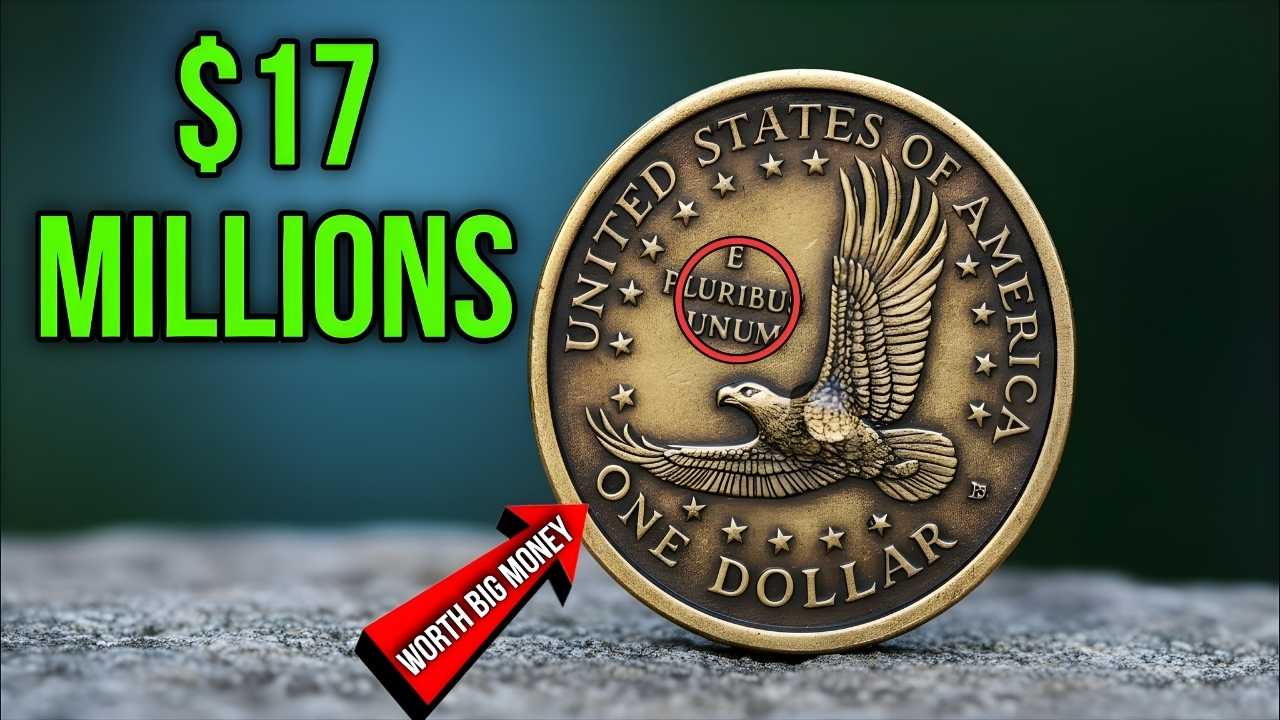
Ultra Rare Sacagawea Dollar Worth $2.1 Million: The Sacagawea dollar, a coin that has captured the interest of numismatists and collectors alike, is not only a symbol of American history but also a piece of financial curiosity. While most of these coins circulate for just a dollar, some have fetched astronomical prices at auctions, such as the ultra-rare Sacagawea dollar worth $2.1 million. But what makes these coins so special, and how can you identify the mint marks, spot errors, and maximize their value?
In this article, we will dive deep into the Sacagawea dollar’s history, its key identifying features, how to spot rare errors, and how you can increase the value of your coin collection. If you’re a coin enthusiast or just starting your journey into numismatics, this guide will provide you with all the essential knowledge to help you make the most of your collection.
The History Behind the Sacagawea Dollar
The Sacagawea dollar was first introduced by the U.S. Mint in 2000 as a part of a series aimed at replacing the Susan B. Anthony dollar, which was met with limited success due to its similar size and color to the quarter. The goal of the Sacagawea dollar was to create a coin that was both unique and representative of American history.
The coin was designed by artist Glenna Goodacre, and it features a beautiful rendition of Sacagawea, the Native American woman who helped guide the Lewis and Clark Expedition across the western portion of the United States. Sacagawea’s image is prominently displayed on the obverse of the coin, while the reverse features an eagle in flight.

The Sacagawea dollar was initially produced in a golden-colored metal alloy called manganese brass, which gave it its distinct appearance. It was also the first U.S. coin to be produced with a special edge to prevent counterfeiting. Over the years, several different versions of the Sacagawea dollar have been minted, including some limited-edition variations that have become highly sought after by collectors.
Key Identifying Features of the Sacagawea Dollar
If you’re looking to identify a rare or valuable Sacagawea dollar, it’s essential to know the key features of the coin. Here’s a breakdown of the elements to look for:

The Obverse Design: Sacagawea’s Profile
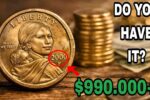
The obverse of the Sacagawea dollar features a stunning portrait of Sacagawea. The design is distinctive and shows her with a child on her back, a reference to her role in guiding the Lewis and Clark Expedition while caring for her infant son, Jean-Baptiste. This unique representation of a Native American woman in American currency sets the Sacagawea dollar apart from other coins in circulation.
The Reverse Design: The Eagle in Flight
The reverse side of the coin features an eagle in flight, representing freedom and the United States’ national symbol. The eagle’s wings are spread wide across the coin, adding a sense of movement and grace to the design. This reverse design is common on many U.S. coins but is particularly beautiful on the Sacagawea dollar.
The Mint Mark
One of the key ways to identify the rarity and value of a Sacagawea dollar is by looking for its mint mark. The mint mark indicates where the coin was produced, and certain mint marks can significantly affect the value of the coin.
The U.S. Mint has several facilities, each with its own mint mark. For the Sacagawea dollar, the following mint marks are relevant:
- Philadelphia Mint (No Mint Mark): Coins minted at the Philadelphia Mint do not have a mint mark. These are some of the most common Sacagawea dollars.
- Denver Mint (D): Coins minted at the Denver Mint feature the “D” mint mark. These are also relatively common but are often valued slightly higher than Philadelphia-minted coins due to their lower production numbers.
- San Francisco Mint (S): Coins minted at the San Francisco Mint feature the “S” mint mark. These coins are typically proofs, which are specially made for collectors and can have higher values.
Understanding these mint marks is essential when determining the value of your Sacagawea dollar.
Common Errors on Sacagawea Dollars
The most intriguing aspect of coin collecting often lies in finding rare errors. Sacagawea dollars are no exception, and there are several common errors that can increase the coin’s value exponentially. If you’re lucky enough to find one of these error coins, you could be sitting on a small fortune.
The 2000-P Narrow Date Sacagawea Dollar
One of the most famous errors in the Sacagawea dollar series is the 2000-P Narrow Date. This coin features a small gap between the numbers in the date “2000” on the obverse. While this error is relatively minor, it can significantly boost the value of the coin due to its rarity. A 2000-P Narrow Date Sacagawea dollar can be worth several hundred dollars or more, depending on its condition.
The 2000-D Sacagawea Dollar with a Double Die Reverse
Another highly sought-after error is the 2000-D Sacagawea dollar with a double die reverse. This error occurs when the coin’s reverse die is misaligned, causing the image of the eagle to appear double-stamped. This coin is extremely rare and can fetch thousands of dollars at auction, depending on its condition.
The 2001 Sacagawea Dollar with a Filled-Die Error
The 2001 Sacagawea dollar is known for a unique filled-die error, where the details of the coin’s design appear partially or completely filled in due to a defect in the die. This type of error can make the coin appear as though it’s missing some of the fine details, making it instantly recognizable to collectors. Depending on the severity of the error and the coin’s condition, this error coin can also fetch a premium price.
How to Maximize the Value of Your Sacagawea Dollar Collection
If you want to maximize the value of your Sacagawea dollar collection, there are several things you can do to improve the overall quality and appeal of your coins. These steps include proper storage, cleaning, and researching the market to determine the current value of your coins.
Proper Storage
Proper storage is key to maintaining the condition of your coins. Coins that are stored improperly can become damaged over time, which can negatively impact their value. To keep your Sacagawea dollars in pristine condition, consider using acid-free holders, such as 2×2 holders, coin flips, or protective plastic capsules. Store your coins in a cool, dry environment away from direct sunlight and moisture to prevent tarnishing or discoloration.
Avoid Cleaning Your Coins
While it may be tempting to clean your coins, it is generally not recommended. Cleaning can damage the surface of the coin and reduce its value. The best way to maintain your coins is by handling them as little as possible and avoiding any abrasive materials that could scratch or dull the surface.
Research the Market
Finally, to maximize the value of your Sacagawea dollar collection, it’s important to research the market. Prices for rare coins can fluctuate based on demand, rarity, and the condition of the coin. By keeping up with the latest trends in the numismatic world and understanding the factors that affect coin values, you’ll be in a better position to sell your coins for a profit when the time comes.
Conclusion
The Sacagawea dollar is more than just a piece of currency — it’s a valuable collector’s item that has become a symbol of American history. With its unique design, historical significance, and potential for rare errors, the Sacagawea dollar is a great coin for both collectors and investors. By identifying the key features, spotting common errors, and taking steps to properly store and maintain your coins, you can maximize the value of your collection. Whether you’re a seasoned numismatist or just beginning to explore the world of coin collecting, the Sacagawea dollar is a fascinating and potentially lucrative piece to add to your collection.