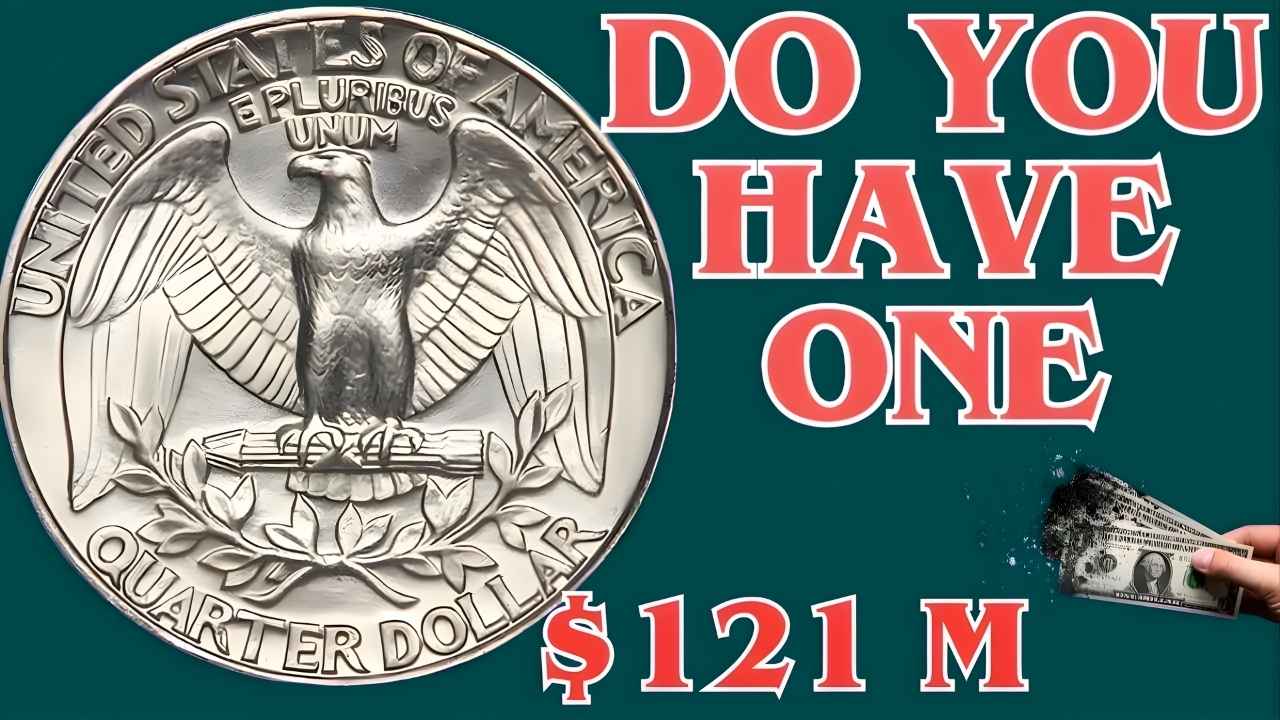
2008 Quarter Error Coins Value Guide: The 2008 U.S. Quarter is a popular coin among collectors, partly because of its place in American history, but also because it includes some fascinating and valuable mint errors. Whether you’re a seasoned numismatist or a beginner in the world of coin collecting, the 2008 Quarter offers a variety of interesting varieties, especially those that were created with rare minting mistakes. These error coins can be worth far more than their face value, making them highly sought after by collectors.
The 2008 Quarter is part of the 50 State Quarters Program, which was introduced in 1999 and ran through 2008, with each year dedicated to featuring five different states. By 2008, the program was in its final year, meaning the quarters minted that year would become part of a collection that highlighted all 50 states. But while these quarters are historically significant, it’s the error coins from 2008 that have really caught the attention of collectors and investors. These rare mistakes have the potential to be worth thousands of dollars depending on the error type and the coin’s condition.

Common Mint Errors in the 2008 Quarter
Mint errors occur when something goes wrong during the production process of the coin, resulting in unique characteristics that distinguish the coin from others. In the case of the 2008 Quarter, several mint errors are commonly found, each contributing to the coin’s value. Understanding these errors is crucial for anyone looking to start a collection or capitalize on valuable finds.
1. Off-Center Strikes
One of the most common and sought-after errors in the 2008 Quarter is the off-center strike. This occurs when the coin is struck by the die, but the planchet (the metal disk used to create the coin) is not properly aligned. As a result, part of the design is missing or appears off-center.

Off-center strikes on 2008 Quarters can vary widely in their severity, with some coins having only a slight misalignment, while others feature a major off-center error where a significant portion of the coin’s design is missing. The more dramatic the off-center strike, the more valuable the coin becomes. Coins with 50% or more of the design missing are particularly valuable, often selling for hundreds or even thousands of dollars depending on their condition.
2. Double Strikes
Another notable mint error in 2008 Quarters is the double strike. This occurs when the coin is struck by the die more than once, creating a blurry or ghosted image of the design. Double-struck quarters can be difficult to spot at first glance, but with close inspection, you’ll notice that certain details of the coin appear more than once, typically slightly out of alignment with the original strike.

The value of a double-struck 2008 Quarter can vary depending on the clarity and positioning of the second strike. Coins with a clear and distinct double image are generally worth more. In some cases, if the second strike occurs at an angle or with an overlap, it can significantly increase the coin’s rarity and price.
3. Clashed Dies
A clashed die error happens when the two dies used to strike a coin come into contact with one another without a planchet between them. This causes parts of the coin’s design to be “clashed” onto the opposite die. When the planchet is struck with these clashed dies, the resulting coin will feature designs that appear faint or “ghosted” from the opposite side of the coin.

Clashed dies can create unique, rare, and highly collectible error coins, and the 2008 Quarters are no exception. Depending on the severity of the clash and how much of the opposing design is visible, these coins can be worth significant amounts of money. Clashed dies are highly desirable in the numismatic world, especially when they involve significant design features.
4. Die Cracks and Cuds
Die cracks and cuds are additional types of errors that can occur in the minting process. A die crack happens when the die used to strike the coins develops a crack, causing the image on the coin to be incomplete or distorted. Cuds, on the other hand, occur when a portion of the die breaks off, resulting in a raised “bump” or “blob” of metal on the coin. Both die cracks and cuds can make a coin appear unusual, and collectors often value these distinctive features.
In the case of the 2008 Quarter, die cracks and cuds can occur around the edges of the coin or even in the middle of the design. A prominent die crack or cud that affects important elements of the design, such as the state’s name or the date, will increase the coin’s value. The more distinct and visible the error, the more attractive it will be to collectors.
5. Overdates and Misplaced Dates
Occasionally, coins are minted with a misaligned date, a phenomenon that can lead to an overdate or misplaced date error. This happens when the minting process involves the wrong die or when there’s an issue with the die’s alignment. These errors can result in the coin having two dates or an incorrect date altogether. Overdates or misplaced dates on the 2008 Quarter can make these coins extremely rare and valuable.
While less common than other mint errors, these types of mistakes are highly prized when they do occur, especially if the overdate or misplaced date is clearly visible. The rarity and historical significance of these errors can send the price of a coin soaring into the thousands, especially when in pristine condition.
How to Identify Valuable 2008 Quarter Error Coins
Identifying valuable error coins takes both a trained eye and a good understanding of what makes a coin unique. If you are new to collecting, here are some tips for identifying valuable 2008 Quarter error coins:

- Examine the Design: Pay close attention to the design elements of the coin. Look for any unusual misalignments, doubling, or distortion in the images. For example, if the state outline or lettering seems off-center, you may have found an off-center strike or a double strike.
- Inspect the Edge of the Coin: Many mint errors, like die cracks and cuds, occur around the edges of the coin. Carefully inspect the rim for any unusual raised or cracked areas, which could indicate a valuable error.
- Look for the Date and Mint Mark: Any error that involves a misalignment of the date or mint mark can increase the value of the coin. Check to see if the mint mark is doubled or the date appears to be a result of a misaligned die.
- Use a Magnifying Tool: Some mint errors, such as die clashes, are subtle and require a magnifying glass or microscope to detect. By zooming in on the coin, you may be able to spot faint features or ghosting from the opposing die.
- Consult a Grading Service: If you believe you’ve found a rare 2008 Quarter error coin, it’s always a good idea to get it graded by a reputable professional grading service. A certified coin will hold more value, and a professional will confirm the authenticity of the error.
The Value of 2008 Quarter Error Coins
The value of a 2008 Quarter error coin can vary greatly depending on the type of error and the coin’s condition. Here’s a breakdown of potential prices for some of the most common error coins:
- Off-Center Strikes: Coins with a slight off-center strike can be worth between $50 and $100, but coins with 50% or more of the design missing can easily fetch prices between $500 and $1,000 or more.
- Double Strikes: A double-struck 2008 Quarter in good condition can be valued between $200 and $800, depending on the clarity of the double image.
- Clashed Dies: Clashed die error coins can range in value from $100 to several thousand dollars, especially if the clash involves important design elements like the state outline or date.
- Die Cracks and Cuds: Coins with prominent die cracks or cuds can be worth $50 to $200, depending on their location and visibility.
- Overdates and Misplaced Dates: If you find a 2008 Quarter with an overdate or misplaced date error, the coin could be worth anywhere from $500 to $2,000 or more, depending on the rarity of the mistake.
Conclusion
The 2008 Quarter offers a wealth of opportunities for collectors, particularly those interested in mint errors. From off-center strikes to double strikes and clashed dies, these rare mistakes can make a 2008 Quarter worth far more than its face value. Whether you’re a beginner or an experienced collector, it’s important to understand how to spot these valuable errors, as they can lead to coins worth thousands of dollars.
With the growing interest in error coins, particularly among investors, the 2008 Quarter is sure to remain an exciting and valuable area of focus in the world of numismatics. Keep an eye out for rare minting mistakes, and you may just find a hidden gem in your collection.