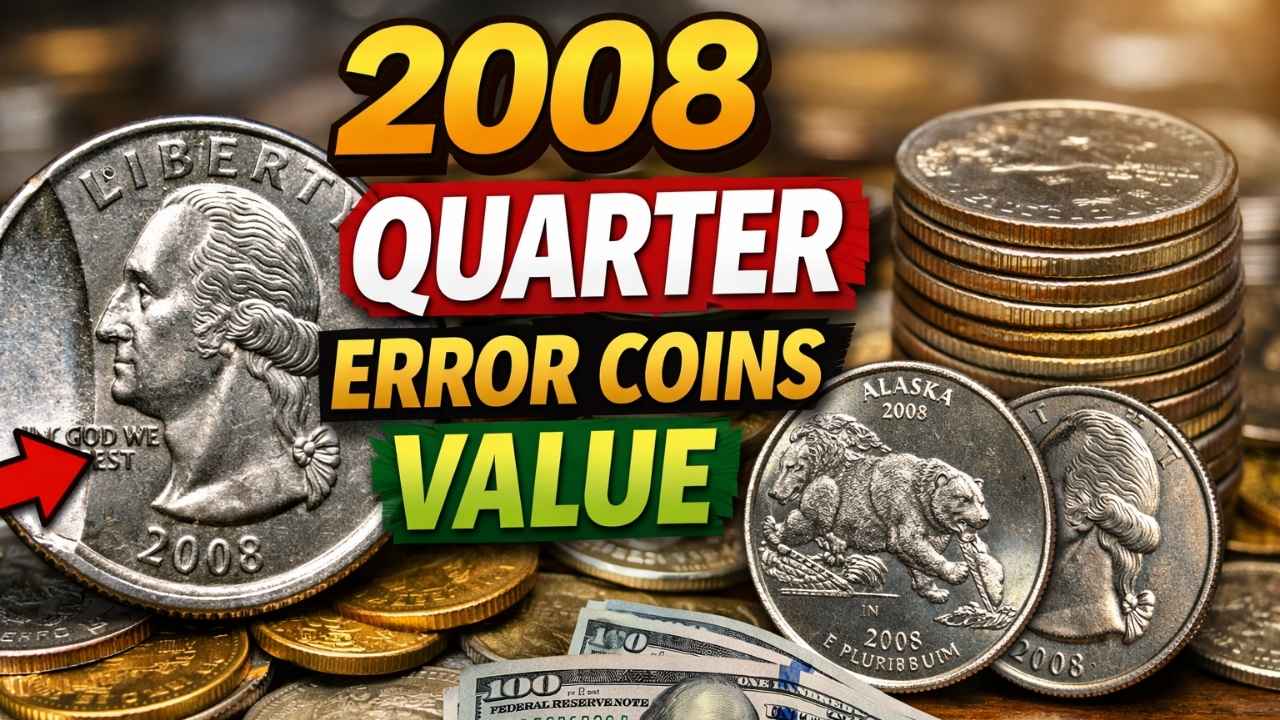
2008 Quarter Error Coins Value: The year 2008 was an important one in the history of United States coinage. It marked the final year of the popular State Quarters Program, which had begun in 1999 and ran through 2008. Each quarter released during this program honored a different state with unique designs that captured history, culture, and pride. Collectors eagerly awaited each new release, and millions of Americans began saving quarters as keepsakes. While most of these coins are worth only their face value, certain error coins from 2008 have become highly sought after, commanding prices far beyond twenty five cents.
Understanding Coin Errors
Coin errors occur when mistakes happen during the minting process. These mistakes can range from minor imperfections to dramatic misprints. Collectors prize error coins because they are rare and often visually striking. Common types of errors include double die strikes, off-center strikes, wrong planchet errors, and missing elements. In the case of the 2008 quarters, several notable errors have been discovered, making them valuable additions to collections. The fascination with error coins lies in their uniqueness. Each error tells a story of how the minting process can sometimes go awry, creating accidental treasures.

The 2008 State Quarters
The final five states honored in 2008 were Oklahoma, New Mexico, Arizona, Alaska, and Hawaii. Each design reflected the heritage and symbols of its state. Oklahoma’s quarter featured the scissor-tailed flycatcher, New Mexico’s displayed the Zia sun symbol, Arizona’s highlighted the Grand Canyon, Alaska’s showed a grizzly bear with a salmon, and Hawaii’s depicted King Kamehameha I. These designs were celebrated for their artistry and cultural significance. However, within these issues, rare error coins emerged, sparking excitement among collectors and investors.
Types of 2008 Quarter Errors
Several types of errors have been documented in the 2008 quarters. Some of the most notable include:
- Double die errors, where elements of the design appear doubled.
- Off-center strikes, where the design is misaligned.
- Clipped planchets, where part of the coin is missing.
- Wrong planchet errors, where the design is struck on a coin blank intended for another denomination.
- Missing edge lettering, particularly in proof or special issues.
Each of these errors can dramatically increase a coin’s value, depending on rarity and condition.
Value of 2008 Quarter Error Coins
The value of a 2008 quarter error coin depends on several factors. Condition is critical, with uncirculated coins worth far more than those showing wear. The type of error also plays a major role. Minor errors may add only a few dollars to a coin’s value, while dramatic errors can command hundreds or even thousands. For example, a 2008 Alaska quarter with a significant off-center strike has been known to sell for several hundred dollars. A double die Hawaii quarter in pristine condition could fetch even more. Collectors are willing to pay premiums for coins that are both rare and visually striking.
Collector Tips for Finding Error Quarters
For those hoping to discover valuable error quarters, patience and careful observation are essential. Here are some tips:
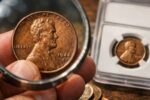
- Examine coins closely with a magnifying glass to spot doubling or misalignments.
- Pay attention to the edges, where missing lettering or unusual cuts may appear.
- Look for coins that seem unusually light or heavy, which could indicate wrong planchet errors.
- Check reputable coin guides and auction records to compare potential finds.
- Preserve coins carefully to maintain their condition and value.
Many collectors enjoy the thrill of searching through pocket change or rolls of quarters from banks, hoping to uncover hidden treasures.
The Role of Grading in Coin Value
Professional grading services such as PCGS and NGC play a crucial role in determining coin value. These organizations evaluate coins based on their condition and assign grades from Poor to Mint State. Error coins are also authenticated to ensure they are genuine. A graded coin provides confidence to buyers and sellers, often increasing its market value. For 2008 quarter errors, a high grade combined with a dramatic error can result in significant premiums. Collectors are advised to consider professional grading for coins they believe may be valuable.
Investment Potential of Error Coins
Error coins are increasingly recognized as alternative investments. Their rarity and uniqueness make them appealing to collectors and investors alike. Unlike common coins, error coins cannot be replicated, ensuring their scarcity. The 2008 quarter errors are particularly attractive because they come from the final year of the State Quarters Program, adding historical significance. While not every error coin will appreciate dramatically, those with strong demand and limited supply can become valuable assets. Investors should approach coin collecting with knowledge and caution, but the potential rewards are undeniable.
Famous 2008 Quarter Errors
Several error coins from 2008 have achieved notoriety among collectors. The double die Hawaii quarter is one of the most famous, with its doubled lettering creating a striking visual effect. Off-center Alaska quarters have also drawn attention, especially those with dramatic misalignments. Clipped planchet Arizona quarters are rare and highly prized. Each of these coins represents a unique piece of numismatic history. Collectors who acquire such coins not only own a valuable asset but also a fascinating artifact of the minting process.
How to Start Collecting Error Quarters
For beginners, collecting error quarters is an exciting way to enter the world of numismatics. Start by examining coins in circulation, as errors can sometimes be found in everyday pocket change. Coin shops and shows offer opportunities to purchase error coins and learn from experienced collectors. Online auctions provide access to rare pieces, though buyers should exercise caution and ensure authenticity. Building a collection requires patience, but the journey is rewarding. Each coin tells a story, and discovering those stories is part of the fun.
Preserving and Storing Error Coins
Proper preservation is essential for maintaining the value of error coins. Coins should be stored in protective holders to prevent scratches and tarnish. Avoid cleaning coins, as this can damage their surfaces and reduce value. Climate-controlled environments are ideal for long-term storage. Collectors often use albums or display cases to organize their collections. Documentation is also important. Keeping records of purchase dates, prices, and provenance adds to a coin’s value. A well-preserved error coin can remain valuable for generations.
The Future of Error Coin Collecting
Error coin collecting continues to grow in popularity. Advances in technology have made it easier to identify and authenticate errors. Online communities allow collectors to share discoveries and connect with others. As interest increases, rare error coins like those from 2008 are likely to continue appreciating in value. The State Quarters Program introduced millions to coin collecting, and its legacy lives on through the pursuit of rare and unusual pieces. Error coins will remain at the forefront of this hobby, inspiring collectors to search for hidden treasures.
Conclusion
The 2008 quarter error coins represent a fascinating chapter in numismatic history. From double die strikes to off-center errors, these rare pieces capture the imagination of collectors and investors alike. Their value extends far beyond face value, with some commanding hundreds or even thousands of dollars. For those who appreciate history, artistry, and the thrill of discovery, error coins offer endless possibilities. The final year of the State Quarters Program produced not only beautiful designs but also rare treasures that continue to captivate the collecting world. As coin collecting evolves, the 2008 quarter errors will remain symbols of rarity, value, and enduring appeal.